Calculate Your Savings HERE
Boxes Created 1600000000
90000000 CO₂ Saved (lbs)
4518639.77 Trees Saved

In many fulfillment environments, packaging is treated as a downstream task rather than an integrated part of the operation.
Fixed carton inventories, manual forming processes, and void fill handling can create congestion at pack stations. These constraints increase travel time, introduce variability between shifts, and make it harder to maintain consistent throughput.
When packaging is aligned with the overall warehouse system, it supports flow instead of interrupting it.

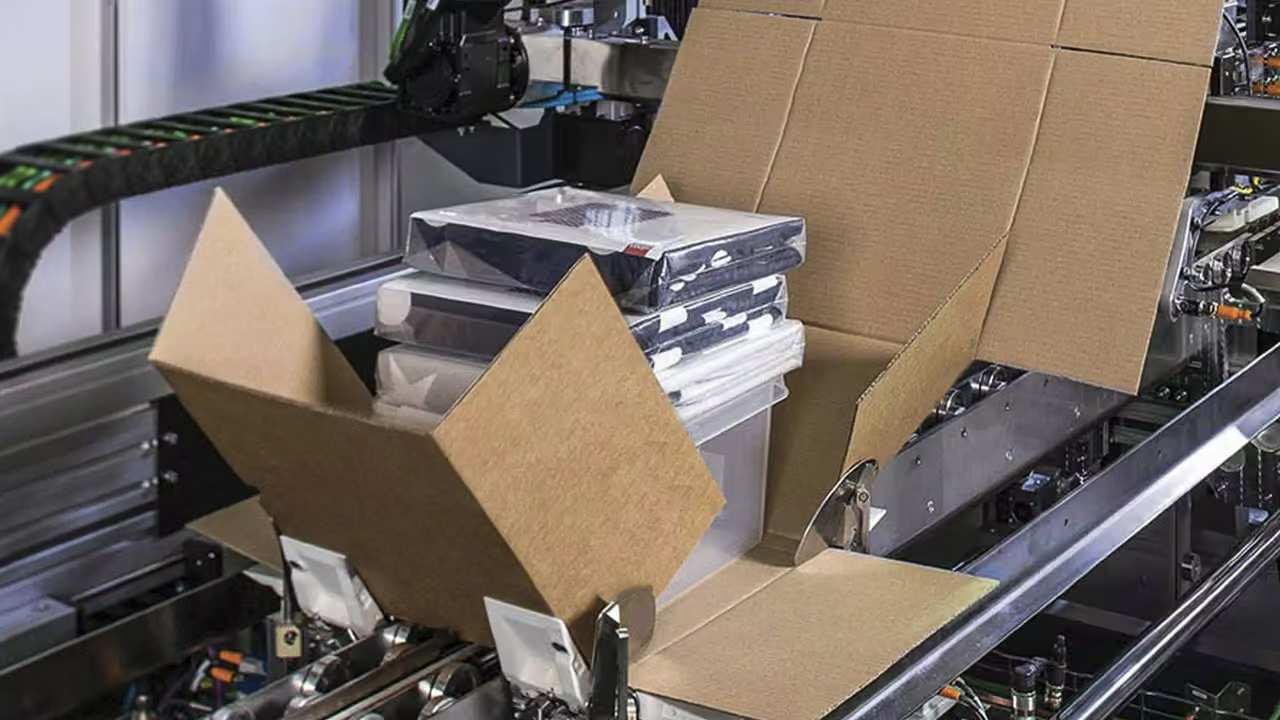
Operational efficiency improves when repeatable tasks are standardized or automated.
Right-sized packaging systems reduce the number of manual decisions required at pack stations by creating custom-fit boxes on demand. This simplifies carton selection, reduces rework, and helps maintain a more predictable packing rhythm across varying order profiles.
The result is smoother order flow and improved throughput without requiring major changes to upstream picking or sorting processes.
Corrugated storage, staging areas, and packing material inventory consume valuable warehouse space.
When operations rely on a wide range of pre-sized cartons, additional square footage is required for storage and replenishment activities. On-demand packaging systems reduce the need for extensive box inventories by producing right-sized packaging as orders are packed.
This shift can free floor space for higher-value activities such as inventory storage, automation expansion, or improved material flow.
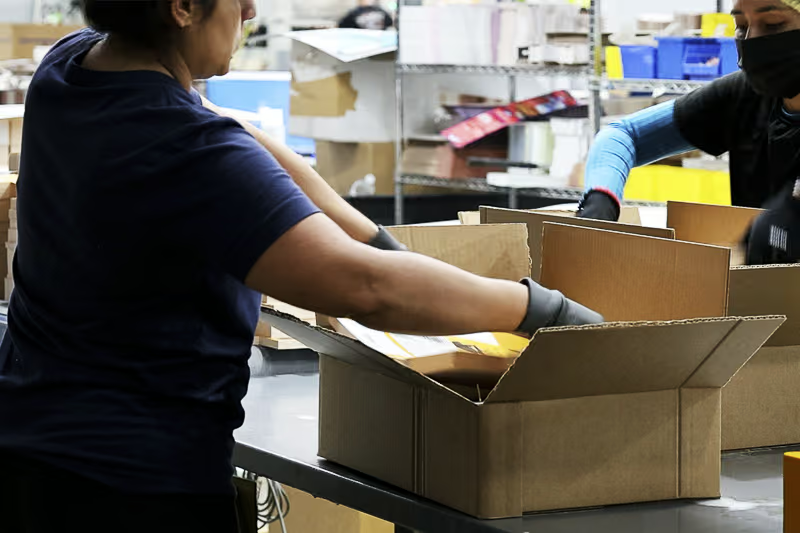
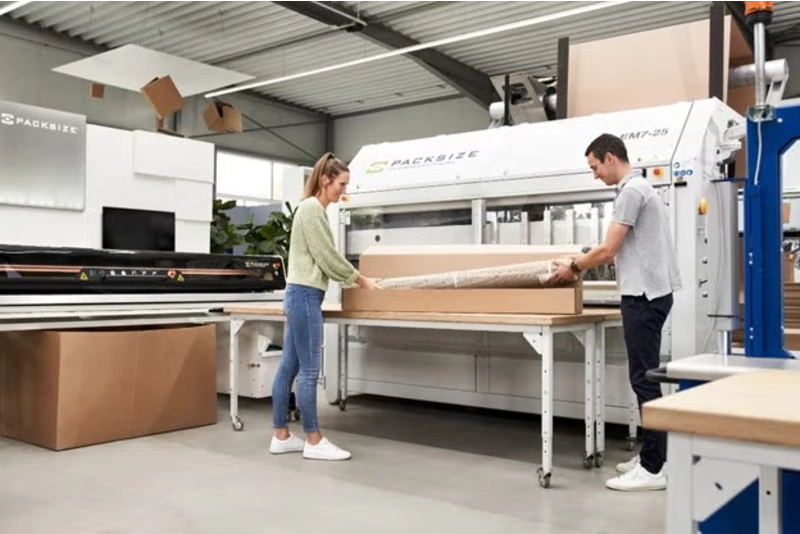
Labour variability often appears as missed throughput targets rather than visible downtime.
Manual packaging processes require training, coordination, and consistency across shifts. During peak periods, the cumulative impact of small inefficiencies can slow fulfillment performance.
By simplifying or automating repetitive packaging steps, operations can maintain more stable performance regardless of seasonal volume changes or workforce composition. Packaging becomes more predictable — and easier to scale.
Effective warehouse optimization requires coordination across systems.
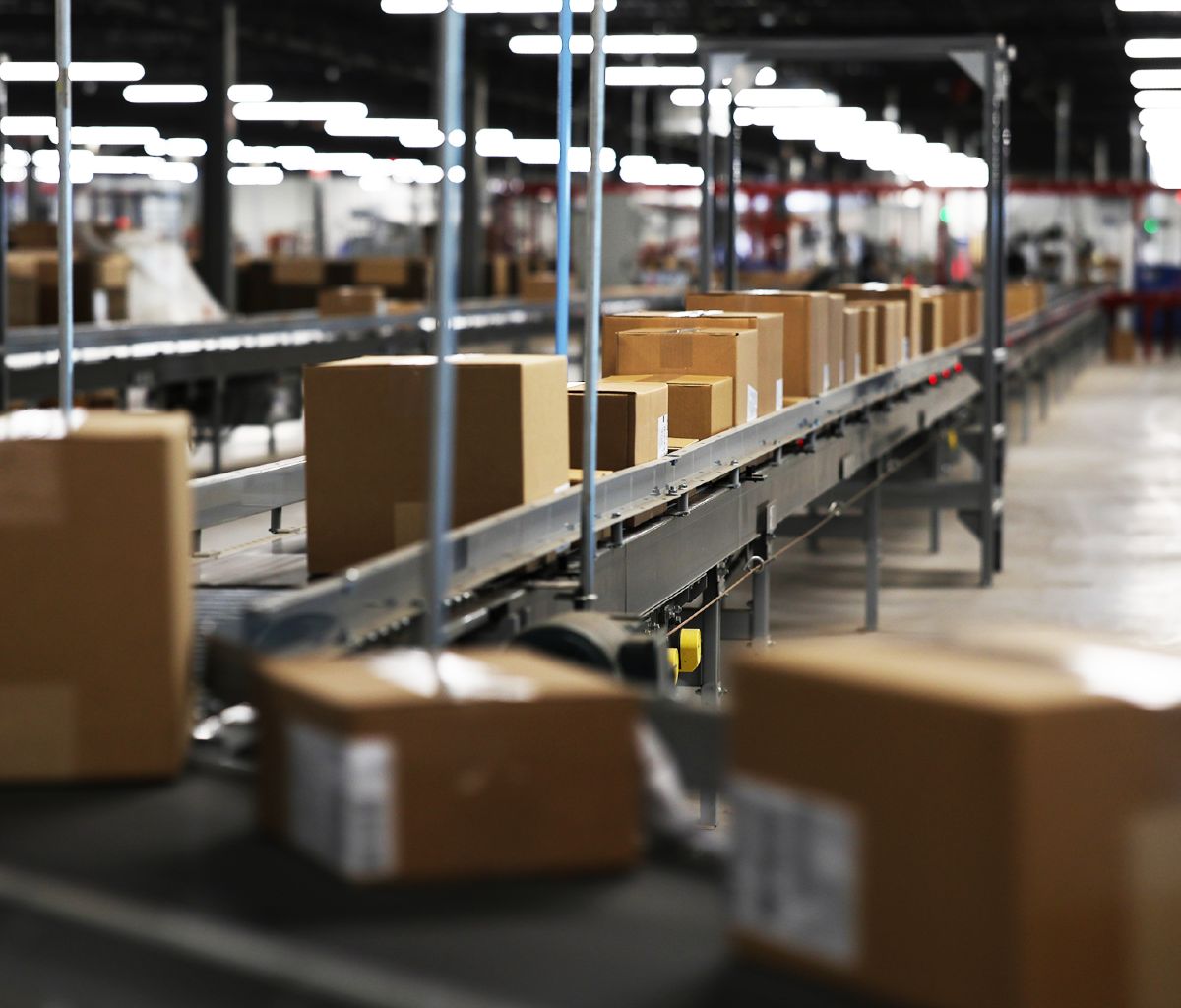
Packaging workflows that integrate with warehouse management systems (WMS), warehouse control systems (WCS), conveyance, and sortation infrastructure help maintain continuous flow. When packaging is synchronized with upstream processes, it supports overall operational performance rather than functioning as a standalone activity.
Integration allows packaging decisions to be driven by real-time order data instead of static assumptions.
Organizations typically evaluate packaging-driven warehouse optimization when they are:
In many cases, packaging is not the only constraint — but it is one of the most addressable.